

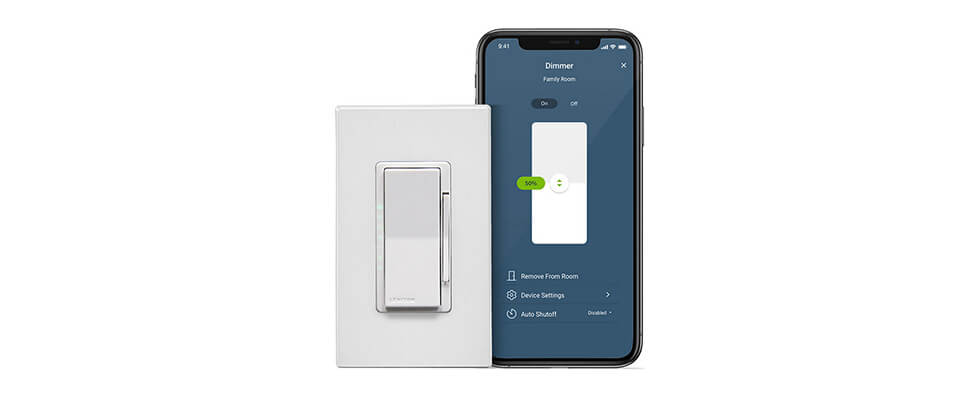
Switches are a basic yet essential part of every home. While regular switches have been in use for decades, the rise of smart homes has introduced the smart switch, which offers convenience, automation, and enhanced control.
For Indian homes, understanding the difference between these two can help you make informed decisions while upgrading your electrical setup, whether you are installing a 12-module smart switch board or replacing individual switches.
In short, smart switches provide advanced control and energy management, while regular switches focus on simplicity and reliability.
What Is a Smart Switch?
A smart switch is an advanced electrical switch that allows you to control lights and other connected devices remotely, often through a smartphone app or voice commands. Unlike traditional switches, smart switches are integrated with technology, giving homeowners flexibility in managing their home lighting and appliances. Key aspects of smart switches:- Can be operated remotely using a smartphone or tablet.
- Often compatible with voice assistants for hands-free control.
- Enable automation schedules and timers for devices.
- Offer energy monitoring features in some models, allowing you to track electricity usage.
What Is a Regular Switch?
A regular switch is a standard electrical switch that directly controls the flow of electricity to a device or light. It is mechanical, simple, and has no connectivity or automation features. Key points about regular switches:- Operated manually by flipping a lever or pressing a button.
- Provides basic on/off control without remote access.
- Requires physical presence to operate, unlike smart switches.
- Simple, low-cost, and widely available.
Features of Smart Switch
Smart switches offer several features that go beyond the basic functionality of regular switches. These features enhance convenience, energy efficiency, and home automation.- Remote Control: Turn lights or appliances on and off from anywhere using a smartphone.
- Voice Control: Integration with digital assistants allows hands-free operation.
- Scheduling & Timers: Automatically switch devices at pre-set times to save energy or simulate occupancy while away.
- Scene & Automation Settings: Create lighting scenes or link multiple devices to work together with a single command.
- Energy Monitoring: Track power consumption for individual devices or circuits.
- Compatibility with Multiple Modules: Smart switches can be combined in a 12-module smart switch board, providing centralised control for multiple devices in one panel.
Features of Regular Switch
Regular switches focus solely on on/off functionality. Despite their simplicity, they remain effective for basic lighting and appliance control.- Manual Operation: Flip or press to control devices.
- No Connectivity: Cannot be controlled remotely or automated.
- Low Cost: Affordable and easy to replace or repair.
- Durable: Fewer components mean fewer chances of failure due to connectivity issues.
- No Energy Monitoring: Cannot provide usage data for appliances.
Differences Between Smart and Regular Switch
The choice between a smart switch and a regular switch depends on your needs, budget, and lifestyle. Key differences include:| Feature | Smart Switch | Regular Switch |
|---|---|---|
| Operation | Remote, app-based, or voice-controlled | Manual only |
| Automation | Scheduling, timers, and scene settings | None |
| Energy Monitoring | Often included | Not available |
| Installation | May require internet, apps, and compatible wiring | Simple plug-and-play |
| Cost | Higher upfront cost, potentially more features | Low cost |
| Convenience | Control multiple devices easily, even remotely | Requires physical presence |
| Integration | Can be part of 12-module smart switch boards or home automation | Standalone switches only |
| Maintenance | May need occasional software updates or troubleshooting | Rarely needs maintenance |