

Everyone wants to save money. That is understandable.
But when it comes to hiring for building work, cutting corners rarely saves anything in the long run. In fact, it often costs far more than doing the job properly the first time.
If you are planning an extension, renovation or structural alteration, here is what you need to understand before choosing the cheapest route.
Cheap Labour Is Rarely Cheap
A lower quote can look attractive.
But ask yourself why it is lower.
Is the builder reducing labour time?
Are materials downgraded?
Are key steps being skipped?
Rushed labour often means:
- Poor finishes
- Weak structural work
- Incomplete preparation
- Shortcuts in safety
You may not see the problems immediately.
But they show up later.
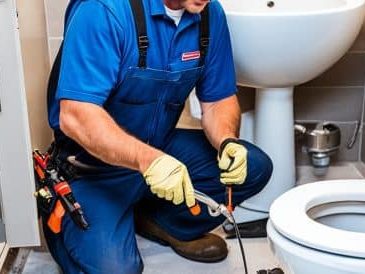
Skipping Proper Drainage Work
Drainage is one of the most common areas where corners get cut.
It is underground, so it is unseen, and it is easy to ignore.
Until something goes wrong.
Poor drainage installation can cause:
- Blockages
- Backflow
- Damp problems
- Foundation damage
Fixing faulty drainage systems after completion can mean digging up floors, driveways or gardens.
That is not a small repair bill.
A professional builder will ensure drainage systems are installed correctly and tested before completion.
Using Low-Quality Materials
Materials vary in price for a reason.
Cheaper insulation may not meet performance standards.
Lower-grade timber can warp.
Budget fixtures wear out quickly.
Replacing materials later costs more than installing quality products from the start.
Building work is not just about today. It is about longevity.
Ignoring Preparation Work
Preparation is where many shortcuts happen.
For example:
- Poor surface preparation before plastering
- Inadequate foundations
- Insufficient structural support
- Skipping moisture protection
The final finish might look fine at first.
But cracks, damp patches and movement will eventually appear.
And repairs are always more expensive once everything is finished.
The Cost of Fixing Poor Work
Correcting mistakes is rarely simple.
It often involves:
- Removing completed work
- Replacing materials
- Paying for labour twice
- Disruption to your home
You may also struggle to hold the original builder accountable if contracts were unclear or informal.
That stress alone is costly.
Damage to Property Value
Poor building work does not just affect comfort.
It affects resale value.
Surveyors spot substandard workmanship quickly.
Structural shortcuts and drainage problems can reduce buyer confidence or even stop a sale completely.
Saving a few thousand today can cost tens of thousands later.
Safety Risks
Some shortcuts are not just expensive.
They are dangerous.
Structural errors, faulty electrics or compromised drainage systems can create genuine safety hazards.
Building regulations exist for a reason.
They protect your home and your family.
Why Paying Properly Is Smarter
A skilled builder does more than construct walls. They ensure drainage, structure and finishes meet required standards.
They protect your investment.
Building work should add value to your home, not create hidden liabilities.
If you are comparing quotes, do not just look at the bottom line.
Look at:
The cheapest option is often the most expensive in disguise.
The true cost of cutting corners is not what you save today.
It is what you pay tomorrow to put it right.