
Building outdoor kitchens sounds like pure joy at first. Fresh air, good food, relaxed evenings. Then reality steps in. Small planning mistakes can quietly turn that dream space into something frustrating. Not unusable. Just annoying enough to notice every time you cook.
Let us talk about where people usually slip up.
1. Rushing the Layout
This is probably the most common mistake. People fall in love with a grill or finish before thinking about movement.
Things that often go wrong:
- No clear space for food prep
- Cooking zones too close to seating
- Constant back-and-forth to the house.
If you feel cramped while cooking, the layout, not the appliance, is usually the problem.
2. Choosing Looks Over Long-Term Reality
Outdoor materials live a tougher life. Sun fades. Rain seeps. Heat expands things you did not expect.
Common missteps include:
- Indoor-rated cabinets used outside
- Countertops that stain easily
- Finishes that look great for six months, then don’t,
It is disappointing when something beautiful ages badly. That sting lingers.
3. Ignoring the Boring Stuff Until It is Not Boring
Utilities are not exciting. But they matter more than people admit. Mistakes here often look like:
- Poor ventilation around cooking areas
- Awkward gas line placement
- Drainage that was “good enough.”
These issues rarely show up on day one. They show up when guests are over. Always then.
4. Forgetting Storage and Comfort
You will need more storage than you think. Always. Things people forget to plan for:
- Utensils and cleaning tools
- Fuel storage
- Somewhere to stand out of direct sun or rain.
A little cover goes a long way. Way longer than you expect.
A Practical Product Perspective Worth Considering
This is where modular outdoor kitchens start making sense for many homeowners. They remove a lot of guesswork. The spacing, storage, and workflow are already thought through, which reduces the chance of layout regret later.
On the BBQs2u website, you can actually see how modular setups are designed to avoid common planning errors without feeling boxed in or generic. That balance is more difficult to achieve than you may think.
A Design Example That Gets the Basics Right
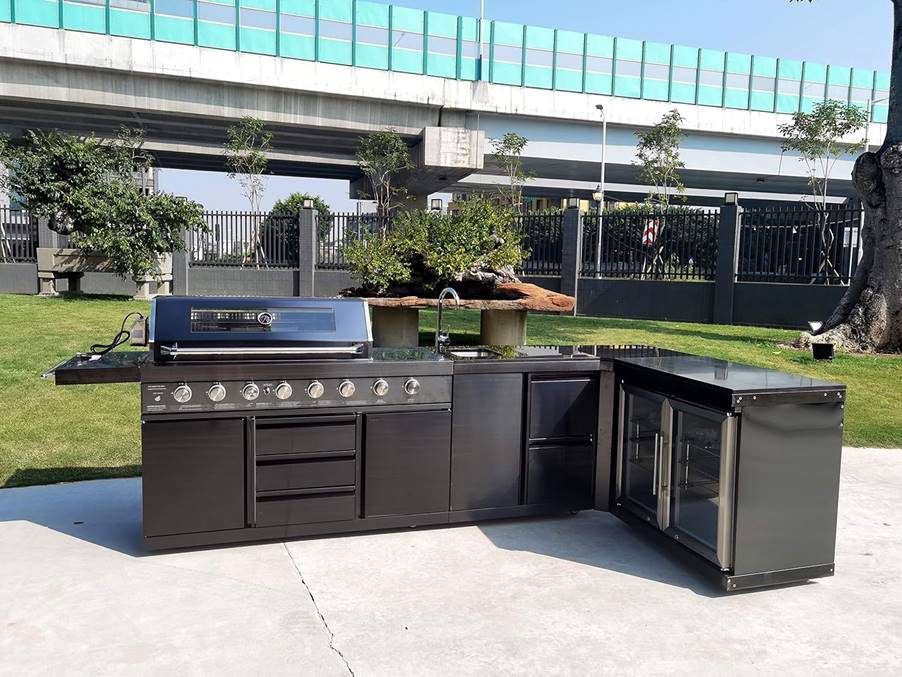
One setup shown on the client’s pages, Whistler Fairford outdoor kitchens, reflects thoughtful proportions and sensible storage placement. It is the kind of layout that quietly works, especially in gardens where space feels limited but expectations are high.
Why Spacing and Shape Deserve More Thought
Corners are often wasted in outdoor builds. They should not be. Smart use of angles can free up movement and prep space without increasing the footprint.
This is where designs like the Whistler Cirencester 45 Corner stand out. They remind you that good planning is not about adding more; it is about using what you already have, better.
Final Thought
Mistakes in outdoor builds rarely come from bad intentions. They come from rushing, skipping details, or assuming “it will be fine.” Slow down. Think about how you actually cook. Not how you imagine cooking on a perfect evening.
That difference matters more than any finish or feature.