

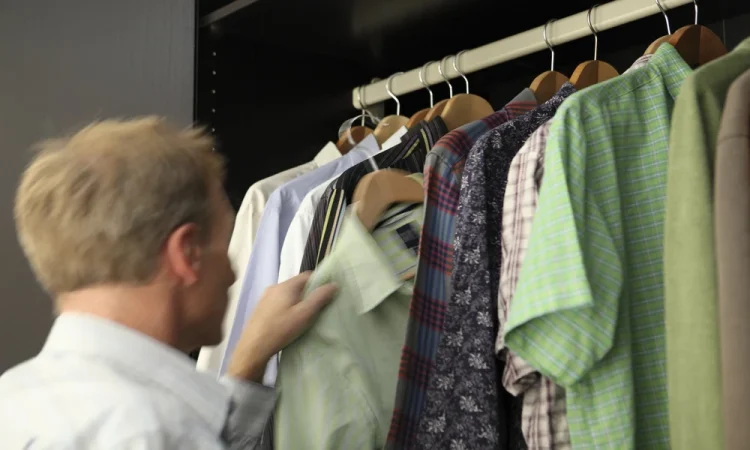
Most shirt problems are small but persistent: sleeves that are a little too long, a collar that never sits properly, fabric that creases before lunch. Choosing well means paying attention to those everyday details rather than buying only for the colour or brand name.
Shirt Style and Occasion Reference
| Style | Good For | Try It With |
| Oxford shirt | Work and smart casual | Chinos, trousers |
| Flannel shirt | Cooler casual days | Jeans, T-shirts |
| Linen shirt | Warm weather | Relaxed trousers, shorts |
| Formal shirt | Office and events | Tailored trousers |
Start at the Shoulder
The shoulder seam is one of the quickest ways to judge fit. It should end close to the natural edge of the shoulder without pulling across the back. If you are looking at Indian Terrain Shirts, consider the heavier, softer character of flannel and whether you want room for a T-shirt underneath. A shirt meant for layering needs a little more ease than a fitted office shirt.
Check the Collar in Real Positions
Button the collar and turn your head. You should be able to slide a finger comfortably inside without the neck feeling compressed. An open collar should also lie neatly rather than flare outward. This matters because the collar is the part people notice first, especially when the shirt is worn without a jacket.
Let Fabric Match the Setting
Cotton poplin looks clean for work, linen breathes well in heat and brushed fabrics suit cooler casual days. When browsing Jack Jones Shirts, look at fabric composition and weave as closely as the brand name. Two shirts can look similar in a photograph but behave very differently through a full day.
Use the Tuck Test
Try the shirt tucked and untucked if the length allows it. A versatile casual shirt should not hang so long that it looks like a formal dress shirt, while a work shirt needs enough length to stay tucked when you sit. This one test quickly shows whether the cut matches how you plan to wear it.
Think About Laundry Before Buying
Shirts are repeat pieces, so care matters. Check whether the fabric needs ironing, whether the colour is likely to show marks easily, and whether special cleaning is required. A shirt that fits your normal laundry routine is much more likely to stay in regular rotation.
To Wrap Up
The right shirt is not simply the one with the nicest colour or label. Start with shoulder and collar fit, choose fabric for the setting, check the length, and be realistic about care. When those details work, one shirt can cover far more outfits. Before adding another option, compare it with something you already own and ask what new job it will actually do.
FAQs
1. What shirt fabric works best for everyday office wear?
Cotton is the practical answer for warm climates. It breathes, washes well, and looks presentable after a full day. Cotton-linen blends are worth considering if you want slightly less structure.
2. How many shirts do I actually need?
Five to seven covers most people comfortably. Two or three formal, two smart casual, one casual, and one or two for weekends. That handles a full week without repeating.
3. How do I know if a shirt fits correctly?
The shoulder seam sits at the edge of your shoulder. Chest has room to button without pulling. Sleeve ends at the wrist bone. Those three things cover fit.
4. Can the same shirt work for office and casual settings?
Yes. A solid cotton shirt tucked in and ironed reads formal. The same shirt untucked with sleeves rolled reads casual. The fabric and colour do most of the work.
5. How should I store shirts to keep them looking good?
Hang them always. A shirt folded in a drawer picks up creases that ironing does not fully fix. Hang on shaped hangers, iron while slightly damp, and let them air before putting away.


